




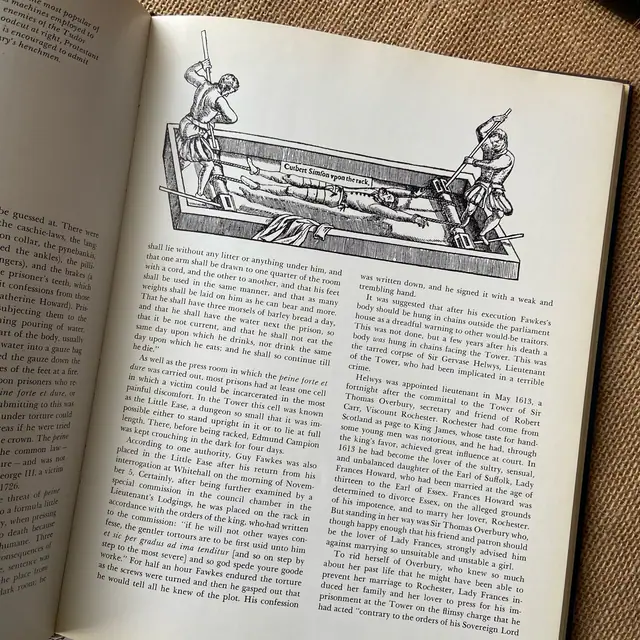
Tower of London
1971
1200 TL≈ $24
11 photos
We ship worldwide — international shipping $30 for one book, $35 for two or more.
Within Turkey, shipping is free on orders of 750 TL or more.
Prices are in Turkish lira (TRY); the dollar figure is approximate. Your card issuer converts at its own rate.
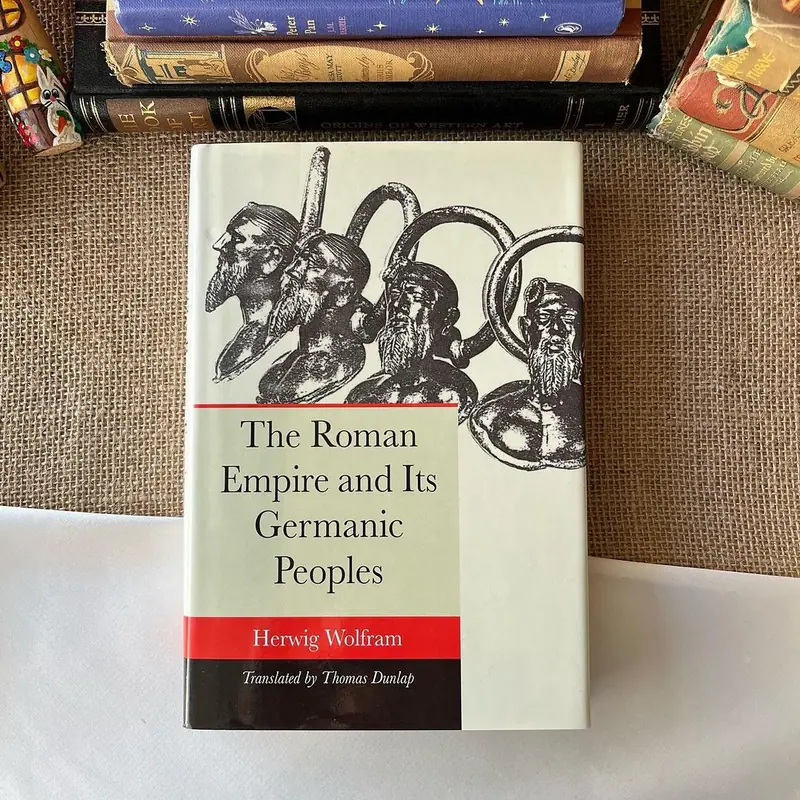
The names of the early Germanic warrior peoples and their leaders echo through song and legend, and the true story of their role in the transformation of the ancient world is no less compelling. Herwig Wolfram's panoramic history covers the great migrations of the Germanic peoples and the rise and fall of their kingdoms as they invaded, settled in, and ultimately transformed the Roman Empire between the third and eighth centuries. From the accounts of Tacitus and other Romans we know that the Germanic peoples, in the lands east of the Rhine and north of the Danube, spread across all of northern and central Europe. Some already lived within the boundaries of the empire, yet they shared a common social structure, culture, and even a common language. Over the centuries, as Germanic military kings and their warrior bands formed kingdoms and gained political and military recognition from the imperial governments through a mixture of conflict and accommodation, the tribes became sharply differentiated. They acquired their own territories and their own histories, intertwined with imperial history. Alongside the Romans, the Huns, Ostrogoths and Vandals, Franks and Visigoths, the kingdoms of Toulouse and Burgundy, and the Lombards, who made northern Italy their own, the Goths had complex relations with Roman politics and Christian religion. Transformed by Gion, and transforming Roman society as much as it was transformed by it.
| Year | 1997 |
|---|---|
| Language | English |
| Pages | 354 |
| Binding | Hardcover with dust jacket |
| Stock no. | OS-11690 |
1971
1200 TL≈ $24

2000
2000 TL≈ $40


1995
1500 TL≈ $30
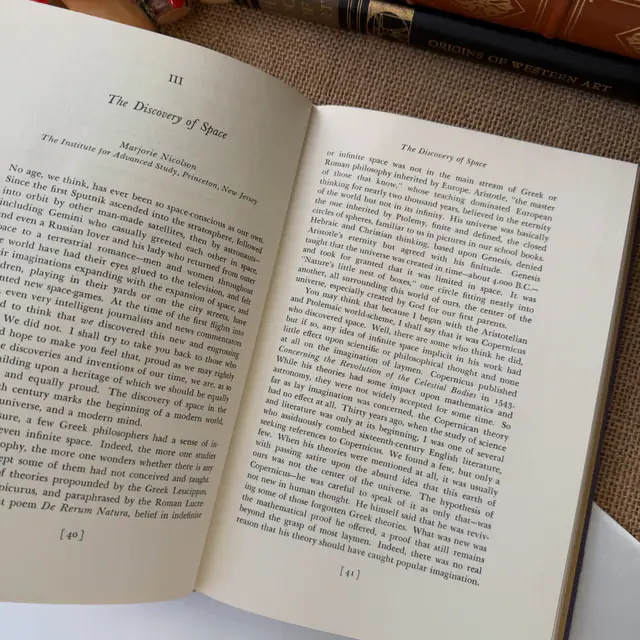
1966
5000 TL≈ $99


1996
2500 TL≈ $50
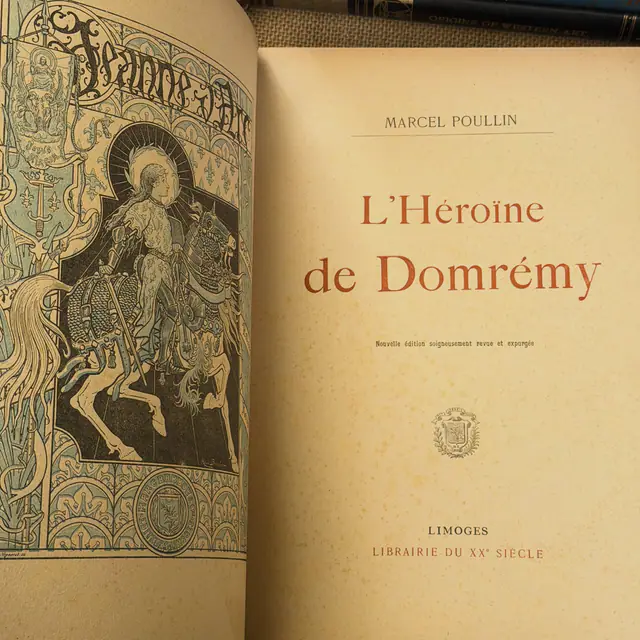
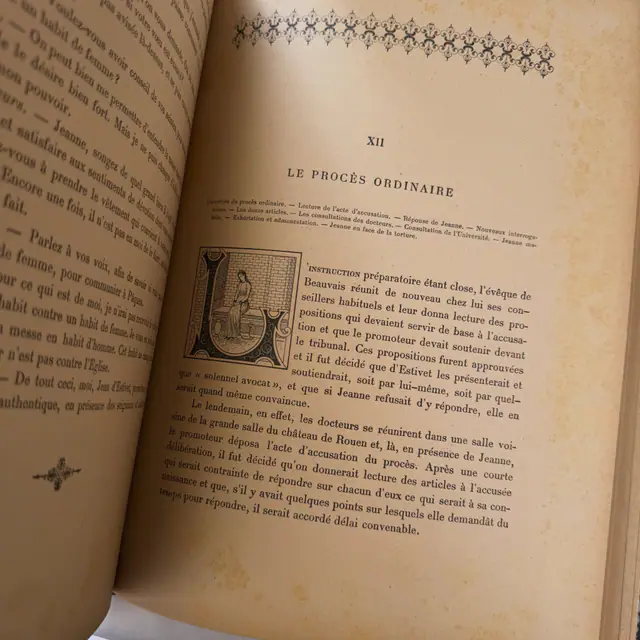
Marcel Poullin
8000 TL≈ $159
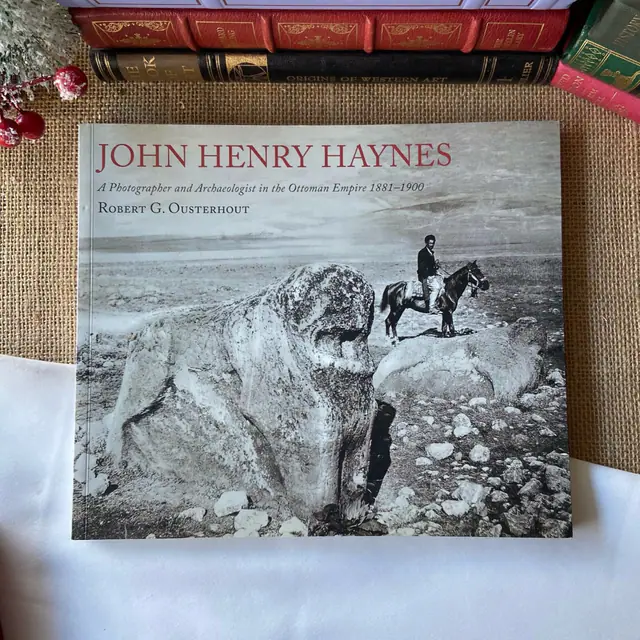
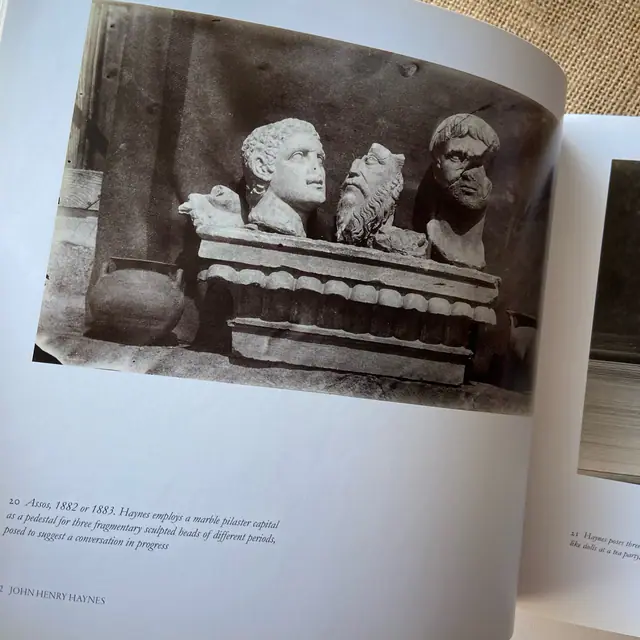
Robert Ousterhout · 2016
2500 TL≈ $50
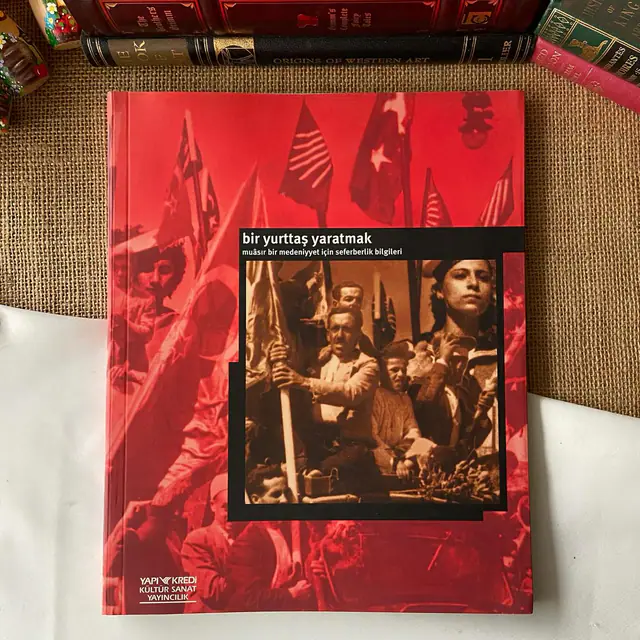
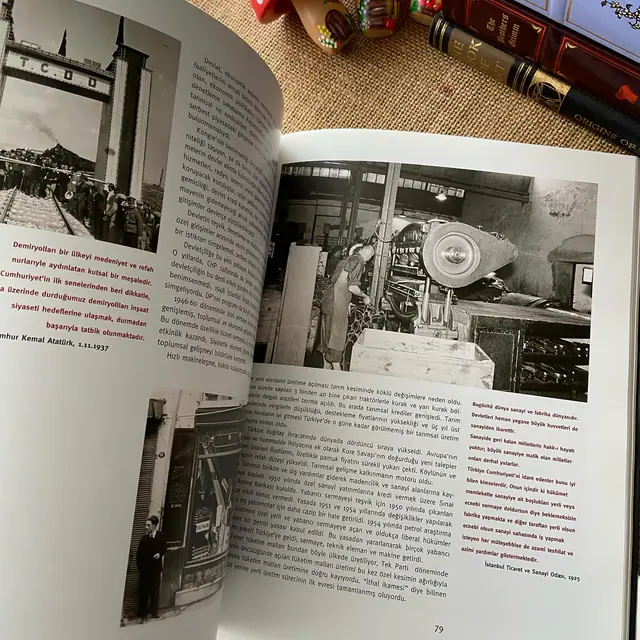
1998
500 TL≈ $9.92


1995
2000 TL≈ $40


1984
2000 TL≈ $40